Helping a person with breathing difficulty
Ahmed Raza
 Written by Elizabeth González Cueto
 Reviewed by Caitlin Goodwin DNP, CNM, RN
Changes: Updated breathing emergency protocols
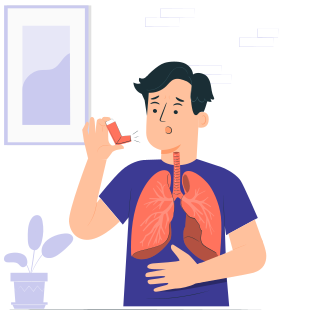
Difficulty in breathing or dyspnea is a condition that can affect a considerable number of people, especially if they present co-existence pulmonary disease, myocardial ischemia, obesity or even anemia, neuromuscular disorders, etc.
In most cases, it is an emergency, and you can observe that the person is breathing rapidly and shallowly using the accessory breathing muscles (sternocleidomastoid and the scalenes), with supraclavicular and intercostal retractions. Sometimes, when the airflow obstruction is severe, it adapts to a slow, deep breathing pattern to minimize the pressures needed to overcome airways resistance. Apart from the above mentioned, you need to do a quick inspection and look for any of these signs:
- Anxiety or agitation
- Brief, fragmented speech
- Stridor, asymmetric breath sounds or percussion, diffuse crackles
- Tripod position
- Sweating; dusky or pale skin
- Any sign of imminent respiratory arrests like depressed mental status, cyanosis, and inability to maintain respiratory efforts
Once the emergency is identified, you need to do the following steps:
- Call 911 or any available emergency service
- Make sure the airway is not blocked, check the pulse, and start CPR.
- If the person has a pre-existence condition (asthma, COPD) and he/she has their medication (inhaler, oxygen), provide the medicine.
- Remove any object, tight cloth, or factor that can worsen the person difficulty
- Try to check if there are any wounds in the airways, lungs, and if there is any bleeding, block it.
- Monitor the person breathing pattern and pulse, try to get people’s help and wait for the ambulance or medical services to arrive.
- Never put any object under the person’s head or give them any food or drink
Also, consider that the causes of acute dyspnea include:
- Upper airway obstruction (Objects, aspiration, anaphylaxis)
- Bronchospasm (asthma, COPD)
- Acute myocardial ischemia
- Heart failure
- Pulmonary embolism
- Pneumothorax
If possible, try to find out more information about dyspnea like:
- Occurrence: During rest, after a change if position, or secondary to precipitational factors (allergens, emotions, etc)
- Associated diseases: Pulmonary, cardiac, neuromuscular
- Chronology: Progression of the symptoms, durations, daily variations, how constant it is, etc.
- Predisposition factors: Environmental exposures, smokings, drugs.
- Relieving factors: Rest, medications, position
Considering the current COVID-19 pandemic, shortness of breath is a symptom observed in nearly 30% of infected patients, and symptoms like fever and cough can accompany it. In this case, direct CPR and close contact without equipment must not be performed, but it is still an emergency, and the patient must receive medical and professional attention.
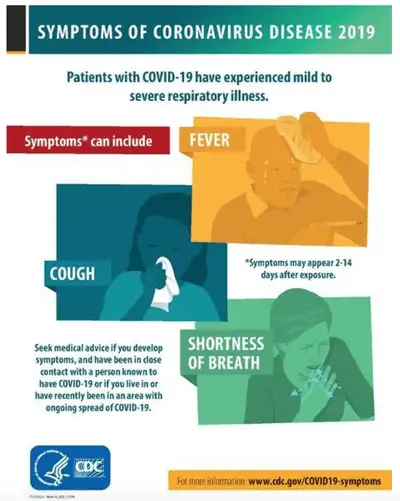
Photograph by CDC, distributed under a CC-BY 2.0 license
Test your knowledge
Stay on track!
Would you like a reminder when your ACLS certification expires, plus study tips?
How we reviewed this article
Our experts continually monitor the medical science space, and we update our articles when new information becomes available.
- Current versionMail the author of this pageEmail
- Jun 30, 2023
Copy edited by:
Copy editorsChanges: Updated breathing emergency protocols- Jan 3, 2021
Reviewed by:
Caitlin Goodwin DNP, CNM, RN Caitlin Goodwin, DNP, RN, CNM, is a Board Certified Nurse-Midwife, Registered Nurse, and freelance writer. She has over twelve years of experience in nursing practice.- Jan 1, 2021
Written by:
Elizabeth González Cueto Es médica general y trabaja en un laboratorio de virología e inmunovirología, buscando la respuesta arboviral en modelos celulares.