Heart and tachycardia | Healthcare Spanish
 Written by Evelin Maza
 Reviewed by Jessica Munoz DNP, RN, CEN
Last reviewed: September 10, 2026
Changes: Updated cardiac terminology and tachycardia information
Why give us your email? We'll send you common Spanish healthcare phrases straight to your inbox along with other helpful resources. We respect your privacy and won't share your information.
Learning on the go!
The goal of this newsletter is to provide you with enough information to be useful, but not more than can be learned within the busy schedule of a health care worker. You’ll find anatomy charts, additional vocabulary, occasional feedback from subscribers, and more! Feel free to read them now and save them for later use such as with a patient or as a study guide for coursework.
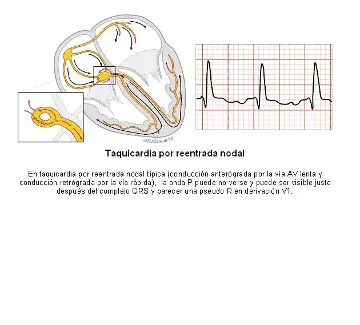
Tachycardia
- Tachycardia or tachyarrhythmia
- Supraventricular tachyarrhythmia
- Sinus arrhythmia
- Atrial arrhythmia
- Junctional arrhythmia or nodal arrhythmia
- Beats per minute
- Pulse
- Ventricular arrhythmia
- Heart beat between 100 and 150 is called simple tachyarrhythmia
- Heart beat between 150 and 200 is called paroxysmal tachyarrhythmia
- Heart beat between 250 and 350 is called flutter (Atrial or Ventricular)
- Heart beat over 350 is called fibrillation
- Taquicardia o taquiarritmia
- Taquiarritmia supraventricular
- Arritmia sinusal
- Arritmia auricular
- Junctional arritmia o arritmia nodal
- Latidos por minuto (LPM)
- Pulso
- Arritmia ventricular
- Latido del corazón entre 100 y 150 LPM se llama sencilla taquiarritmia
- Latido del corazón entre 150 y 200 LPM se llama taquiarritmia paroxística
- Latido del corazón entre 250 y 350 LPM se llama aleteo ( auricular o ventricular )
- Latido del corazón más de 350 LPM se llama fibrilación
Download this sheet as a PDF
For quick reference in the ward.
Word practice pages



Monitor technician
Learn healthcare spanish phrases used as a monitor technician in spanish.
Go to practice
Pharmacy technician
Learn healthcare spanish phrases used as a pharmacy technician in spanish.
Go to practiceHelp others by providing feedback
Part of Health Care Spanish’s mission is to create a useful resource for health care workers. However, there is only so much that can be done without feedback from you. Email questions or suggestions to support@PacificMedicalTraining.comEmail.
Tell us if there is a topic you want us to cover or a resource we can add to the site.
How we reviewed this article
Our experts continually monitor the medical science space, and we update our articles when new information becomes available.
- Current versionMail the author of this pageEmail
- Sep 10, 2026
Reviewed by:
Jessica Munoz DNP, RN, CEN Jessica Munoz is a registered nurse and educator with 20 years of experience in critical care emergency nursing, specializing in patient care, education, and evidence-based practice. She holds multiple certifications and serves as a Patient Safety Coordinator.- Jun 13, 2023
Copy edited by:
Copy editorsChanges: Updated cardiac terminology and tachycardia information- Jun 3, 2018
Written by:
Evelin Maza Evelin Mercedes Maza Guia is a physician from the University of Oriente in Anzoátegui, Venezuela.