Becoming a radiologic technologist: everything you need to know
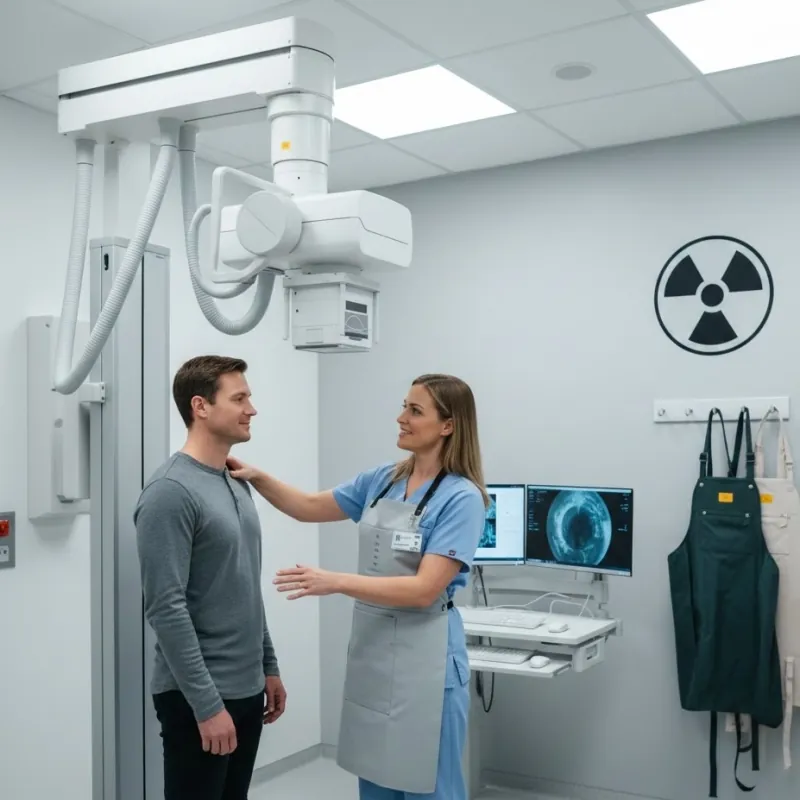
Photo by Gemini
 Written by William Entriken
Changes: Created article on radiology entry-level careers
Radiologic technologists play a critical role in modern healthcare by capturing the diagnostic images that physicians use to identify illnesses and injuries. If you’re interested in a hands-on healthcare career that uses science, technology and patient care skills, radiologic technology may be the perfect entry path into the field of radiology.
What is a radiologic technologist?
A radiologic technologist—often called a radiographer—is a trained medical imaging professional who performs diagnostic imaging procedures, primarily X-rays. They work under the supervision of radiologists, who interpret the images.
Radiologic technologists work in:
- Hospitals
- Outpatient imaging centers
- Urgent care clinics
- Orthopedic and primary care practices
Their work requires technical skill, attention to detail, strong radiation-safety knowledge, and excellent communication skills to keep patients informed and comfortable during procedures.
What educational background do you need?
To become a radiologic technologist, you must complete an accredited radiologic technology program. These are offered as:
- Certificate programs (less common)
- Associate degree programs (most common)
- Bachelor’s degree programs (in some universities)
Programs must be accredited by the Joint Review Committee on Education in Radiologic Technology (JRCERT) to ensure eligibility for the national certification exam.
Training typically includes classroom instruction and supervised clinical rotations, covering:
- Human anatomy and physiology
- Physics of medical imaging
- Radiation protection and ALARA principles
- Patient positioning for X-ray and fluoroscopy
- Medical ethics and patient communication
- Image evaluation and quality control
After completing an accredited program, graduates are eligible to sit for the American Registry of Radiologic Technologists (ARRT) certification exam—a requirement for licensure in most states.
Basic job responsibilities and a typical day
Entry-level radiologic technologists perform a wide range of responsibilities, including:
- Preparing and positioning patients for imaging
- Performing X-ray exams and basic fluoroscopy under supervision
- Ensuring radiation safety for patients and staff
- Reviewing images to ensure diagnostic quality
- Following physician imaging orders
- Maintaining and sterilizing equipment
- Updating patient records and imaging logs
A typical day may include imaging patients with fractures, chest conditions, abdominal complaints, or pre-operative needs. Technologists work closely with nurses, emergency department staff, orthopedic teams, and radiologists. Imaging departments are often fast-paced, and technologists may support emergency or trauma cases, depending on the facility.
Comments and feedback from radiologic technologists
Here is what technologists are sharing on X and TikTok about their experiences:
- “Positioning matters. A single wrong angle can hide a fracture.”
- “We’re not just taking pictures—we’re helping diagnose what’s really going on.”
- “Radiation safety is non-negotiable. ALARA always.”
- “Helping a nervous patient relax makes the entire procedure smoother—and safer.”
How to get started
- Research accredited programs: Look for JRCERT-accredited radiologic technology programs in your area.
- Complete education and clinical training: Expect 18–24 months of coursework and clinical rotations.
- Pass the ARRT certification exam: Required by most employers and state licensing boards.
- Apply for state licensure: Requirements differ by state, but most require ARRT certification.
- Seek entry-level positions: Start in hospitals, imaging centers, or clinics to build experience.
As technologists gain experience, they can advance into specialized imaging roles such as CT, MRI, mammography, or interventional radiology.
Training in Philadelphia, PA USA
For in-person training in the Philadelphia area, consider Tri-State Imaging Solutions, which offers comprehensive radiologic technologist programs with clinical rotations at local hospitals and imaging centers.
Location: 3103 Philmont Ave, Huntingdon Valley, PA 19006
Website: Tri-State Imaging Solutions
Final thoughts
Radiologic technology offers a stable and meaningful career for those who want to join the healthcare field using both technical and patient-care skills. Whether it’s a stepping stone toward further medical imaging specialties or a long-term profession, becoming a radiologic technologist opens the door to essential and rewarding work in modern medicine.
Works cited
U.S. Bureau of Labor Statistics. “Radiologic and MRI Technologists.” Occupational Outlook Handbook. Accessed December 2024.
https://www.bls.gov/ooh/healthcare/radiologic-technologists.htm
American Registry of Radiologic Technologists (ARRT). “Become Certified.” Accessed December 2024.
https://www.arrt.org/pages/about-the-profession/arrt-certification-and-registration
Joint Review Committee on Education in Radiologic Technology. “About Accreditation.” Accessed December 2024.
https://www.jrcert.org
U.S. Nuclear Regulatory Commission. “Radiation Protection and ALARA.” Accessed December 2024.
https://www.nrc.gov/about-nrc/radiation
Test your knowledge
Stay on track!
Would you like a reminder when your ACLS certification expires, plus study tips?
How we reviewed this article
Our experts continually monitor the medical science space, and we update our articles when new information becomes available.
- Current versionMail the author of this pageEmail
- Dec 1, 2025
Written by:
William Entriken V.P., General manager of Pacific Medical Training and is ultimately responsible for keeping the customers happy and coming back, growing the business and keeping the team going.Changes: Created article on radiology entry-level careers